


What are atopic skin and eczema?
Atopy-prone, dry, very dry, and sensitive skin is a skin type that develops due to genetic factors, is prone to allergies, and reacts excessively to environmental triggers. This condition can lead to eczema. When the skin barrier is weakened, it results in moisture loss and heightened reactivity to external factors, which in turn triggers inflammation, leading to a cycle of itching and irritation.
But what exactly is eczema? How can scalp eczema be treated? How do you recognize atopic skin? You’ll find the answers to all your questions in this article.
What is Atopic Skin?
Atopic skin is a sensitive, dry, and allergy-prone skin type commonly found in individuals with a genetic predisposition. It is highly reactive to external irritants and often shows symptoms like itching, redness, and inflammation. Atopic skin can lead to conditions like atopic dermatitis or atopic eczema. The question “what is atopic dermatitis?” can be answered as: A chronic condition identified by extreme dryness, itching, and inflammation
What is Eczema?
Eczema is a chronic skin condition characterized by itching, redness, inflammation, and flaking. It typically appears in dry and sensitive skin types, and it results from a weakened skin barrier reacting intensely to environmental factors. The most common form is atopic dermatitis, which often comes and goes in flare-ups. Because of this, consistent skin care and protection from allergens are crucial.
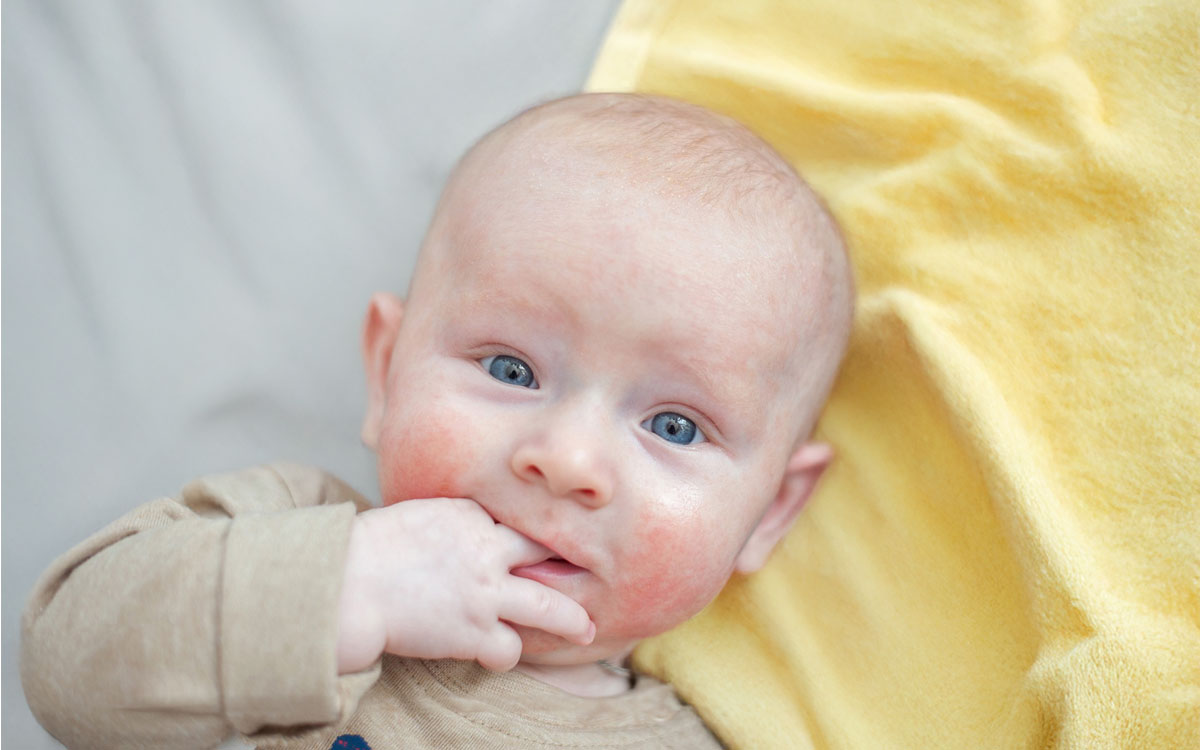
Eczema isn’t just a condition seen in adults; it’s actually more common in babies. Baby eczema often appears as itchy, dry, and red rashes, especially on the cheeks, elbows, and behind the knees. Baby eczema occurs because their skin barrier is not yet fully developed.
What Are the Triggers of Atopic Skin and Eczema?
The biological mechanism of atopic skin and eczema stems from a combination of genetic predisposition, immune system response, and a disrupted skin barrier. Genetic factors can lead to mutations in the proteins responsible for skin barrier function, causing dryness and vulnerability to external irritants. The immune system overreacts to these changes, leading to inflammation. This cycle further weakens the barrier, causes moisture loss, and increases susceptibility to microorganisms, resulting in eczema symptoms. Common triggers of atopic reactions include:
- Cold weather, low humidity, pollen, dust mites, and pet dander
- Soaps, detergents, perfumes, and cleaning products
- Allergenic foods such as milk, eggs, and nuts
- Emotional or physical stress
- Extremely hot or cold environments
- Wool or synthetic fabrics
Symptoms of Atopic Skin and Eczema
Since the skin barrier can't retain moisture properly, the skin becomes dry and vulnerable to irritants. The immune system responds with inflammation, causing symptoms such as itching and redness. Common eczema symptoms include:
- Dryness: A key sign of atopic skin and eczema. When the skin barrier is weakened, moisture is lost, causing the skin to become flaky, tight, and rough. This dryness often leads to itching and irritation.
- Severe itching: One of the most distressing symptoms. It often leads to scratching, which can cause cracks, scabbing, or even bleeding. This can trigger a scratch-itch cycle, making the condition worse. Controlling itching is an important step in skincare and eczema treatment
- Redness: Common in inflamed skin and usually accompanies itching. Redness becomes more visible with increased irritation and may occur in limited or widespread areas—most often on the face, neck, hands, and behind the knees. It is important to use moisturizing and therapeutic creams to soothe the inflamed condition of the skin.
- Blisters (weeping sores): Small fluid-filled bumps that may appear in inflamed areas. These can burst and ooze, increasing the risk of infection. Scratching can worsen these and slow healing. Therefore, when swelling occurs, it is important to treat the skin with soothing creams and keep itching under control.
- Flaking and scaling: Flaking and peeling are common signs of atopic skin and eczema, often accompanied by dryness and irritation. Due to a weakened skin barrier and loss of moisture, the skin surface becomes dry and starts to peel. This condition becomes more noticeable, especially after scratching. The skin may shed in thin layers, making it more sensitive and fragile. Regular moisturizing and the use of appropriate skincare products are essential to alleviate these symptoms.
Treatment Methods for Atopic Skin and Eczema
The main goals of eczema treatment are to strengthen the skin barrier, prevent moisture loss, reduce inflammation, and manage itching. Here are common treatment options:
- Moisturizers: Essential for atopic skin and eczema treatment. They strengthen the skin barrier, prevent water loss, reduce dryness, and help calm the skin. Regular use softens the skin and soothes itching and irritation. Moisturizers play an important role in preventing eczema flare-ups and during the treatment process.
- Topical steroids: Topical steroids are effective creams and ointments that can reduce inflammation, redness, and itching. They are used in moderate to severe eczema cases; it is important that these should be used under medical supervision. Since prolonged or incorrect use can cause thinning of the skin or side effects, the dosage and duration of use should be determined by a specialist.
- Antihistamines: These medications are used to relieve itching by blocking the effect of a chemical called histamine in the body. They help improve sleep quality, especially by preventing itching that worsens at night.
- Avoiding triggers: Regular shampoos may contain perfume, alcohol, or harsh chemicals that can irritate the skin and worsen eczema. Instead, opt for fragrance-free, hypoallergenic shampoos formulated for sensitive skin. Fragrance-free and hypoallergenic shampoos help protect the skin's natural barrier and support moisturization. Additionally, using skin-friendly and pH-balanced products can also make eczema treatment easier.
Dalin Care offers an innovative solution with its Dalin Care Series, specially developed for atopy-prone, sensitive, and very dry skin. Enriched with 100% natural PENTAVITIN™ and Lactobacillus Ferment, it helps maintain and nourish the skin’s moisture balance while supporting the skin barrier. This series can be safely used by babies, children, and adults. Dalin Care's Moisturizing & Nourishing Body Lotion, Hair & Body Shampoo, and Wet Wipes deeply hydrate atopy-prone skin and support the skin barrier. You too can benefit from these innovative formulas for better skincare and give your own and your loved ones’ skin the care it deserves.
Sources:
https://www.betterhealth.vic.gov.au/health/conditionsandtreatments/eczema-atopic-dermatitis
https://nationaleczema.org/eczema/
https://www.niams.nih.gov/health-topics/atopic-dermatitis